
Tag: Ultrasonic Flow Meters
News
-
How to Choose an Ultrasonic Flow Meter: 7 Factors That Actually Matter
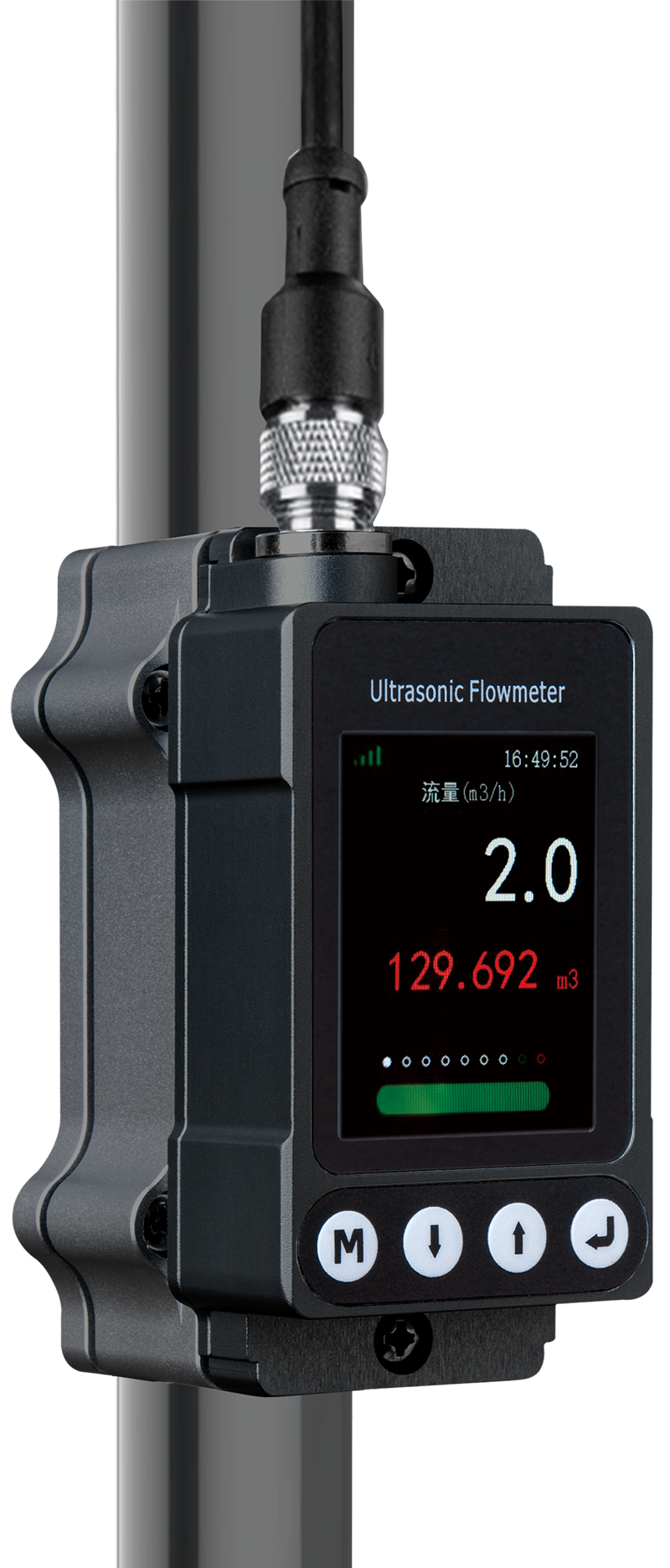
A practical buyer checklist: the seven specifications that decide which clamp-on ultrasonic flow meter fits your pipe, liquid and budget.
-
How Do I Choose the Right Ultrasonic Flow Meter for My Application?
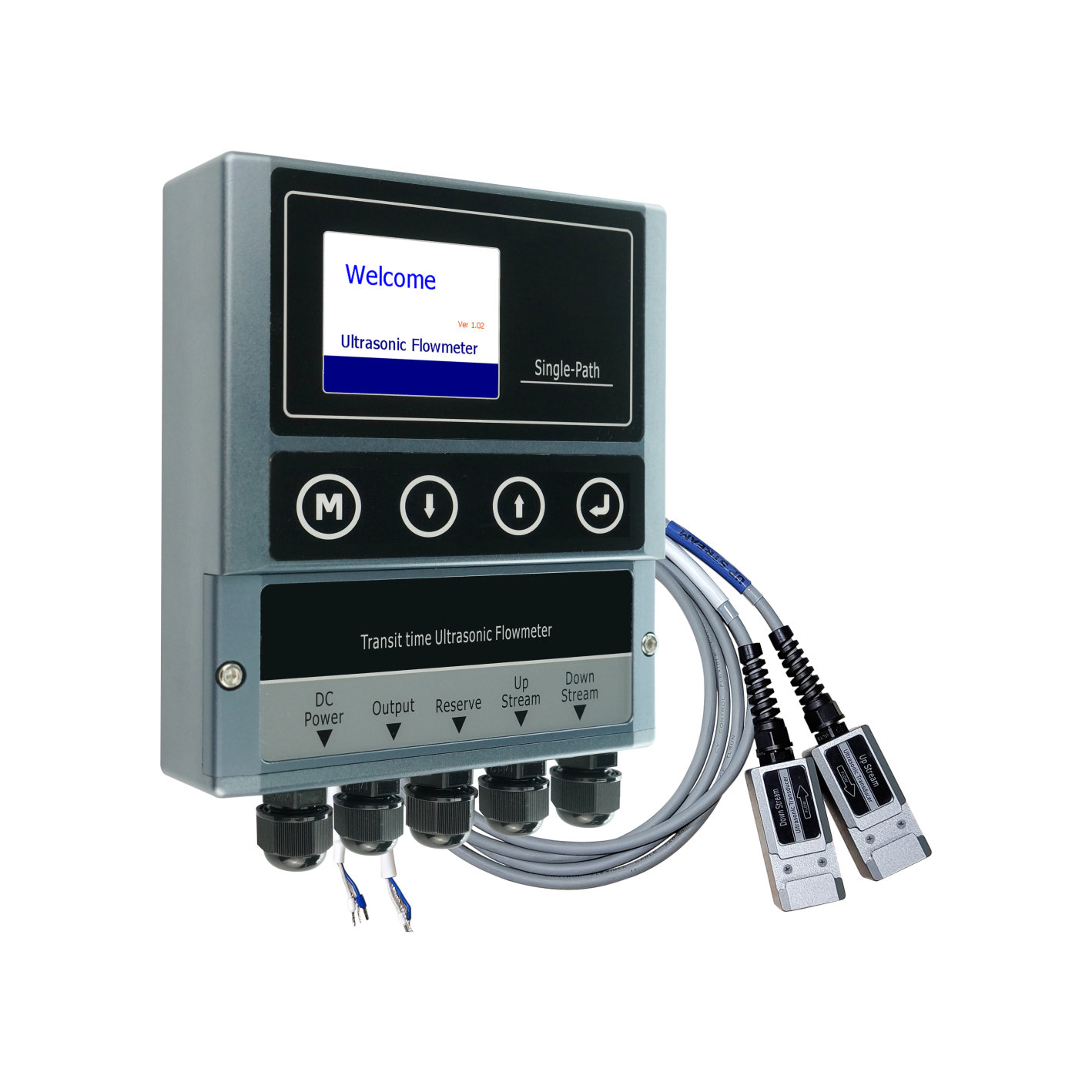
A practical, application-by-application guide to choosing a clamp-on ultrasonic flow meter — water networks, HVAC, energy/BTU, large and small pipes, and portable surveys — with the right YS-Flux model for each job.
-
How Does a Clamp-On Ultrasonic Flow Meter Work? Transit-Time Principle Explained
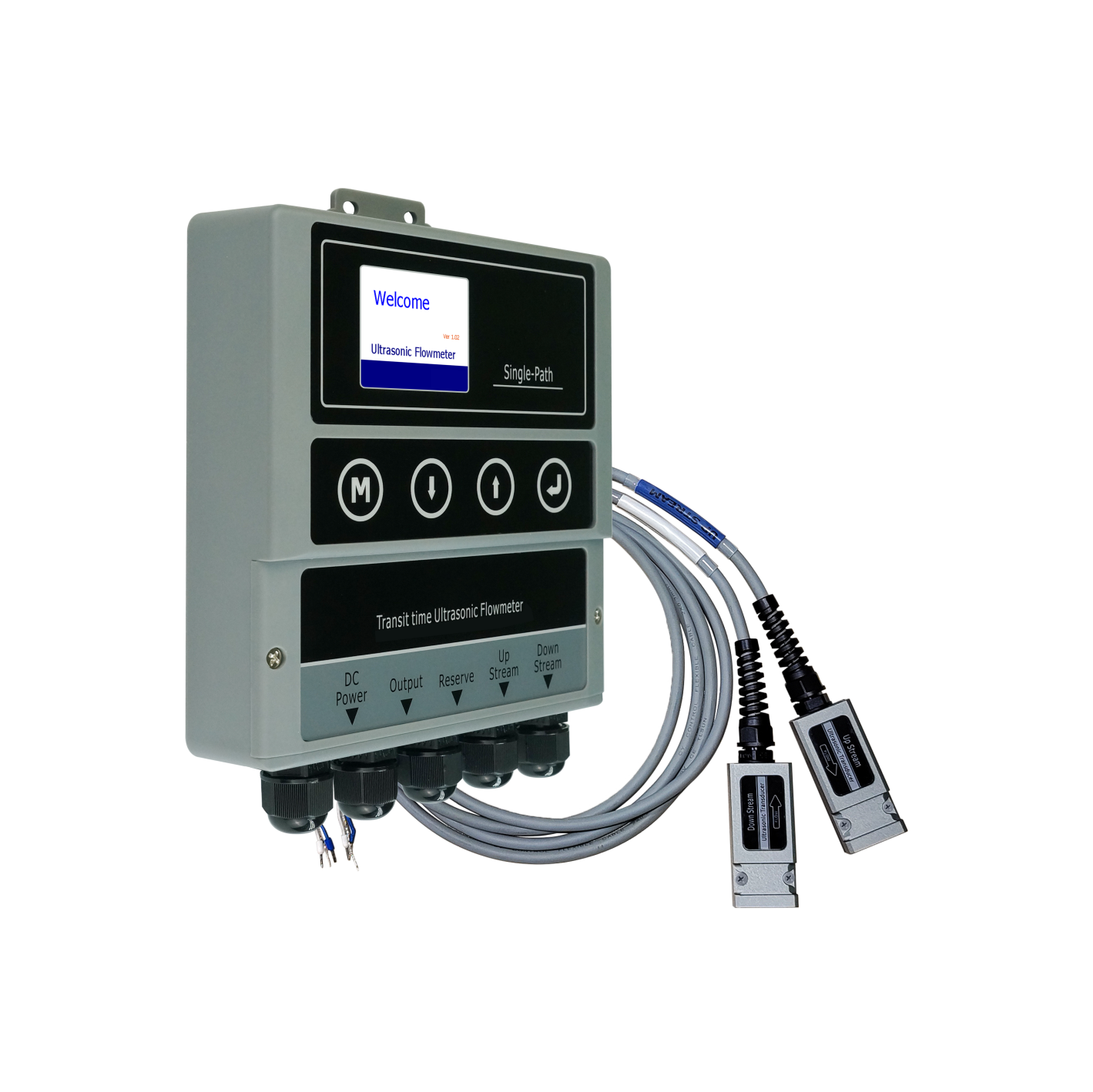
Transit-time clamp-on ultrasonic flow meters measure liquid flow from outside the pipe — no cutting, no pressure loss. Here is how the technology actually works.
-
Can an Ultrasonic Flow Meter Measure Hot Water, Chilled Water, and Other Liquids?
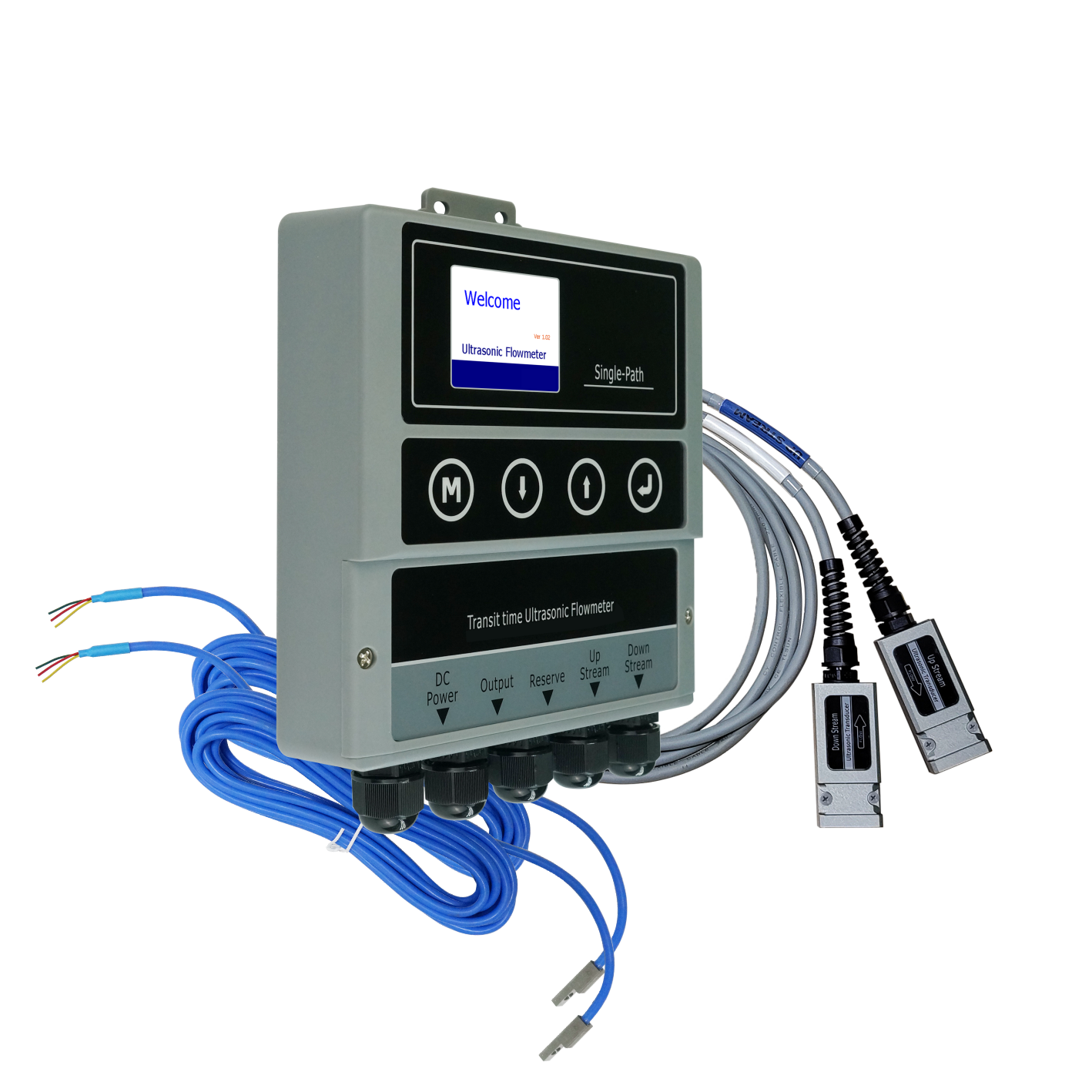
Yes — clamp-on ultrasonic meters handle chilled water, hot water and a wide range of clean liquids. Here is the liquid and temperature compatibility, high-temperature transducer options, and which fluids need Doppler instead.
-
What Is a BTU Energy Meter? Measuring Heating and Cooling Energy
BTU (heat/cooling) meters multiply measured flow by the temperature difference between supply and return to yield kWh or BTU — here is how they work.
-
What Can You Do With a Portable Ultrasonic Flow Meter?
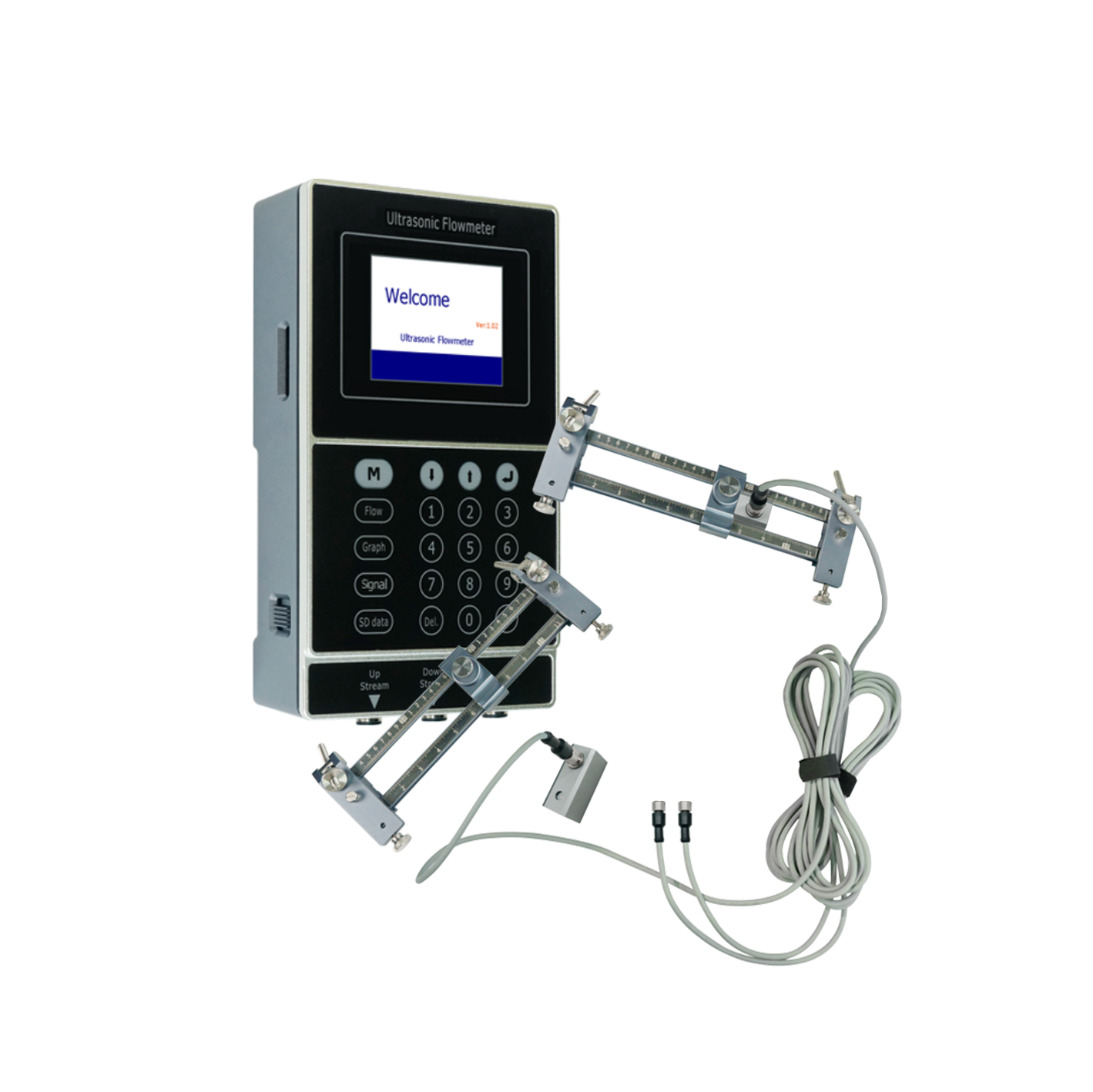
A portable clamp-on meter clips onto any pipe and comes straight off — making it ideal for HVAC balancing, pump performance tests, water leakage surveys, meter verification and commissioning. The main uses explained.
-
Transit-Time vs Doppler Ultrasonic Flow Meters: What Is the Difference?
Transit-time meters time ultrasonic pulses for clean liquids at high accuracy; Doppler meters bounce sound off particles and bubbles for dirty fluids. The difference, and how to choose, explained.
-
What Is a Clamp-On Ultrasonic Flow Meter? Definition, Types & Uses
A clamp-on ultrasonic flow meter installs on the outside of the pipe and measures flow without touching the liquid. Definition, types (transit-time/Doppler), components, advantages and the YS-Flux model range — explained in plain language.